


Pakistan military and interior leadership conclude high-level Iran visit
 Rabbia Zafar
|
3 hours ago
Rabbia Zafar
|
3 hours ago
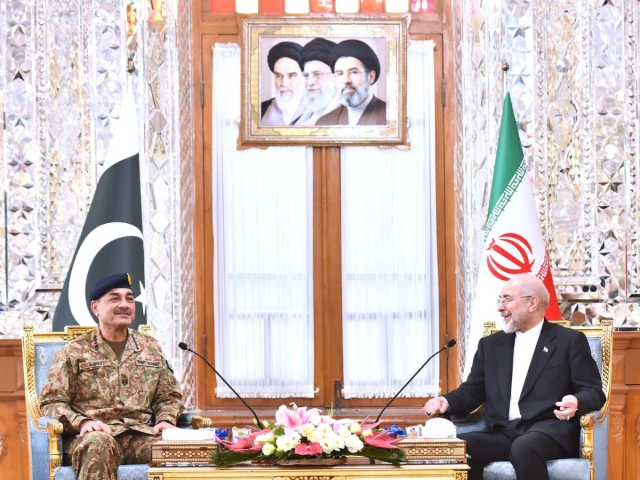
Chief of Defence Forces (CDF) and Chief of the Army Staff Field Marshal Asim Munir, along with Interior Minister Mohsin Naqvi and a senior delegation, has concluded a three-day official visit to Iran, according to the Inter-Services Public Relations (ISPR). The visit focused on strengthening bilateral relations and discussing regional security developments.
During the trip, Field Marshal Asim Munir met Iran’s President Dr Masoud Pezeshkian and held separate meetings with key Iranian officials, including Speaker of the National Assembly Mohammad Bagher Ghalibaf, Foreign Minister Abbas Araghchi, and Major General Ali Abdollahi of the Khatam ul Anbiya Headquarters. The discussions centred on regional peace, security cooperation, and ongoing diplomatic efforts aimed at reducing tensions in the Middle East.
According to the ISPR statement, both sides reviewed the evolving security environment and exchanged views on collaborative measures to promote long-term stability in the region. The Pakistani leadership emphasised the importance of dialogue, de-escalation, and peaceful resolution of disputes through sustained diplomatic engagement.
Key Militant Leader Aamir Sohail Alias Molvi Haider Arrested
Field Marshal Asim Munir conveyed appreciation for the hospitality extended by Iranian authorities and reaffirmed Pakistan’s commitment to strengthening its long-standing fraternal relations with Iran. He also conveyed greetings from Pakistan’s president, prime minister, and people to the Iranian leadership.
The statement further noted that the visit reflects Pakistan’s continued support for diplomatic initiatives aimed at achieving a negotiated settlement to regional conflicts. Officials highlighted that Islamabad seeks to play a constructive role in promoting peace, stability, and economic prosperity across the broader region through engagement and cooperation.
The visit comes at a time of heightened geopolitical tensions in the Middle East, where regional diplomacy and security coordination remain critical for preventing further escalation and supporting stability.
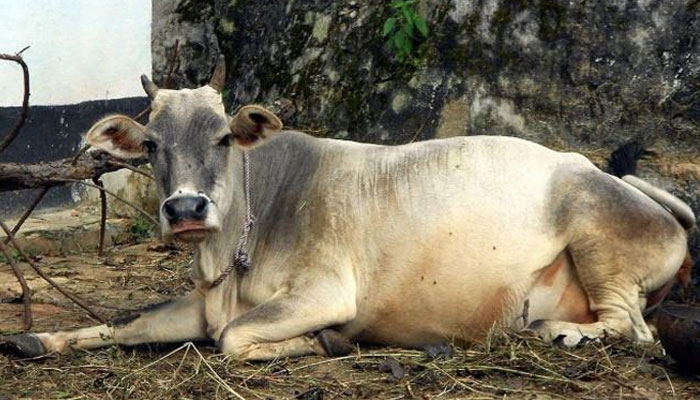
Cow injured in Muzaffargarh as unknown attackers cut tongue

Robert Downey Jr returns as Doctor Doom in Marvel twist
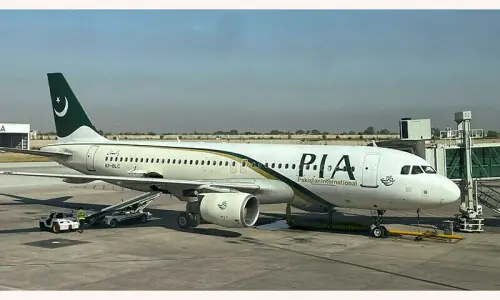
PIA launches pre-Hajj flight operation across Pakistan

Child injured after shocking incident at Indian wedding event

Hajj operations begin from Multan with first flight to Madinah

Pakistan’s nationwide anti-polio campaign reaches millions of children

Police officer martyred after vehicle hits checkpoint in Karachi
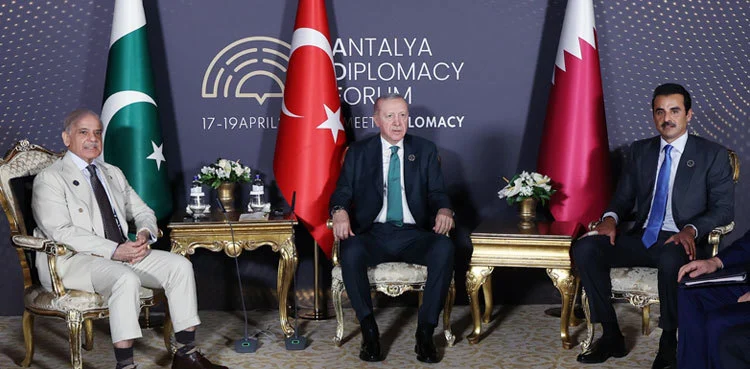
Shehbaz Sharif joins Erdogan and Qatar emir in Antalya trilateral talks

23 minutes ago

26 minutes ago

43 minutes ago
45 minutes ago

55 minutes ago
1 hour ago
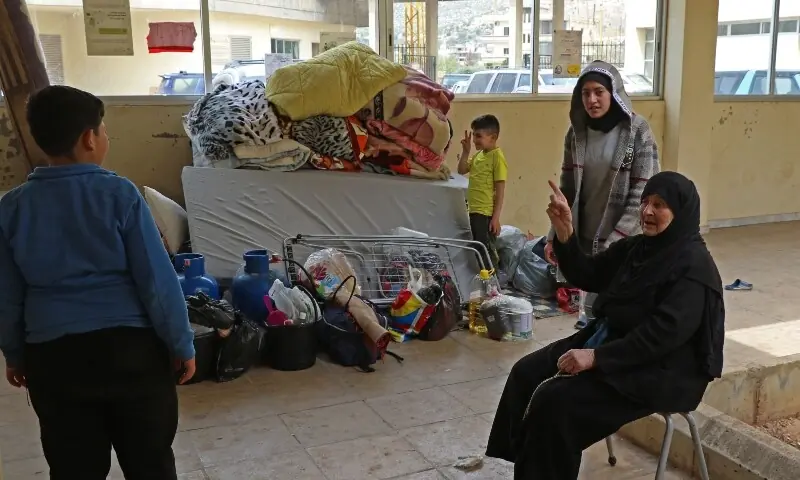
 Residents of the southern Lebanese city of Nabatiyeh are grappling with the aftermath of a deadly airstrike that flattened a…
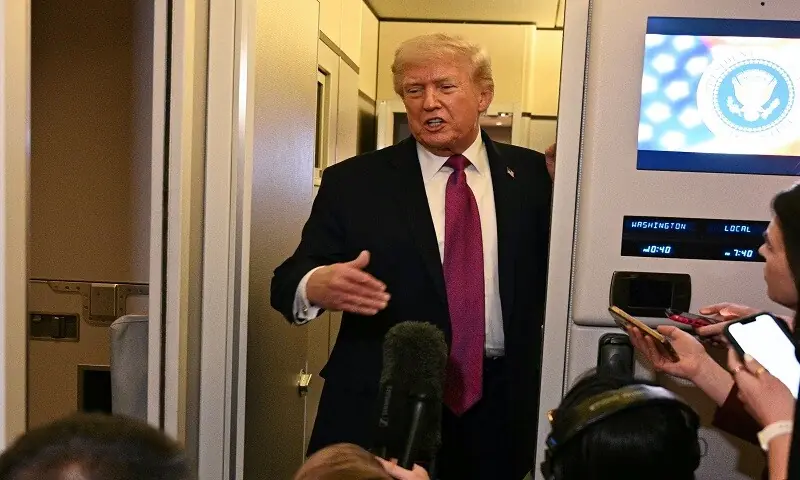
 Former US President Donald Trump has said that a government review of UFO-related material has uncovered a number of “very…
 Large public gatherings were held in Iran and Yemen as demonstrators expressed political solidarity with regional leadership and allied movements.…
- Tensions between the United States and Iran escalated again on Saturday as President Donald Trump said the US may continue…

- Pakistan’s second national anti-polio campaign of 2026 is continuing across the country, with efforts now in its sixth day as…
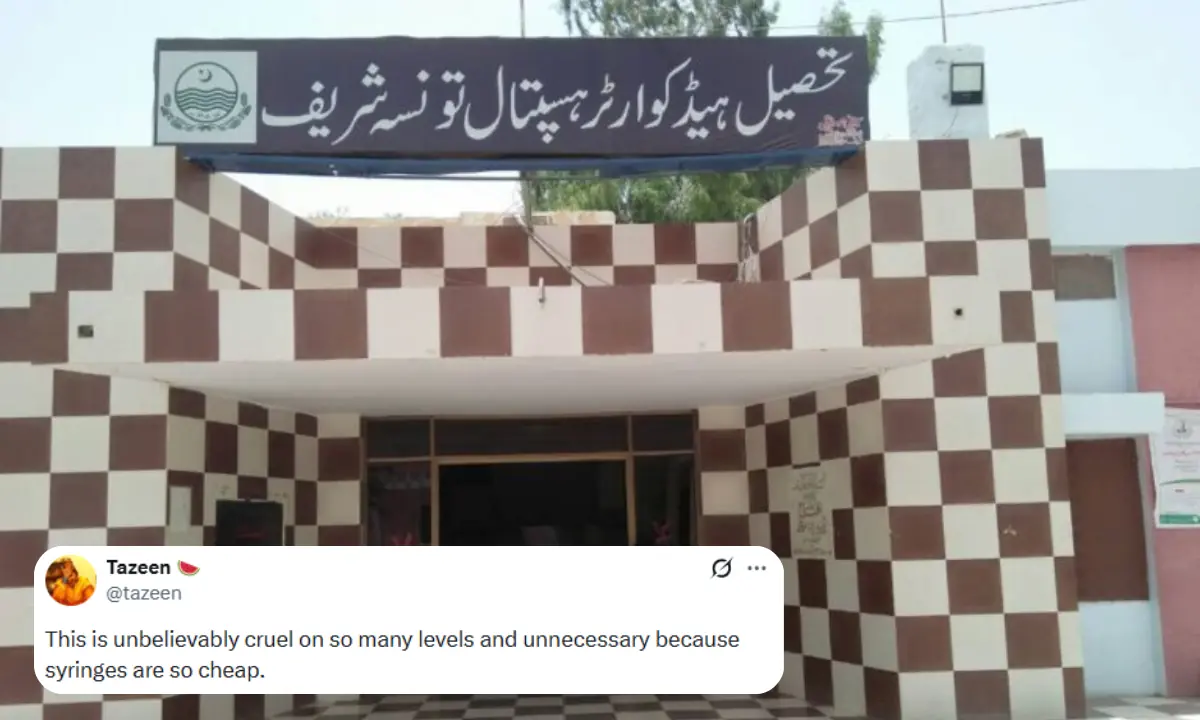
 A shocking report by BBC has triggered nationwide outrage in Pakistan after alleging severe medical malpractice at a Tehsil Headquarter…
 Pakistan’s second National Anti-Polio Campaign of 2026 is continuing across the country with full momentum, as health workers aim to…
 A new case of monkeypox has been reported in Karachi, raising fresh concerns among health authorities in the city. According…




- A disturbing case of animal cruelty has emerged from Muzaffargarh,…23 minutes ago
- Robert Downey Jr. is set to make a dramatic return…26 minutes ago
- Pakistan International Airlines (PIA) has officially announced the start of…43 minutes ago
- A disturbing incident in India’s Uttar Pradesh state has left…45 minutes ago